Japan in 3 Steps: From Temples to Tech
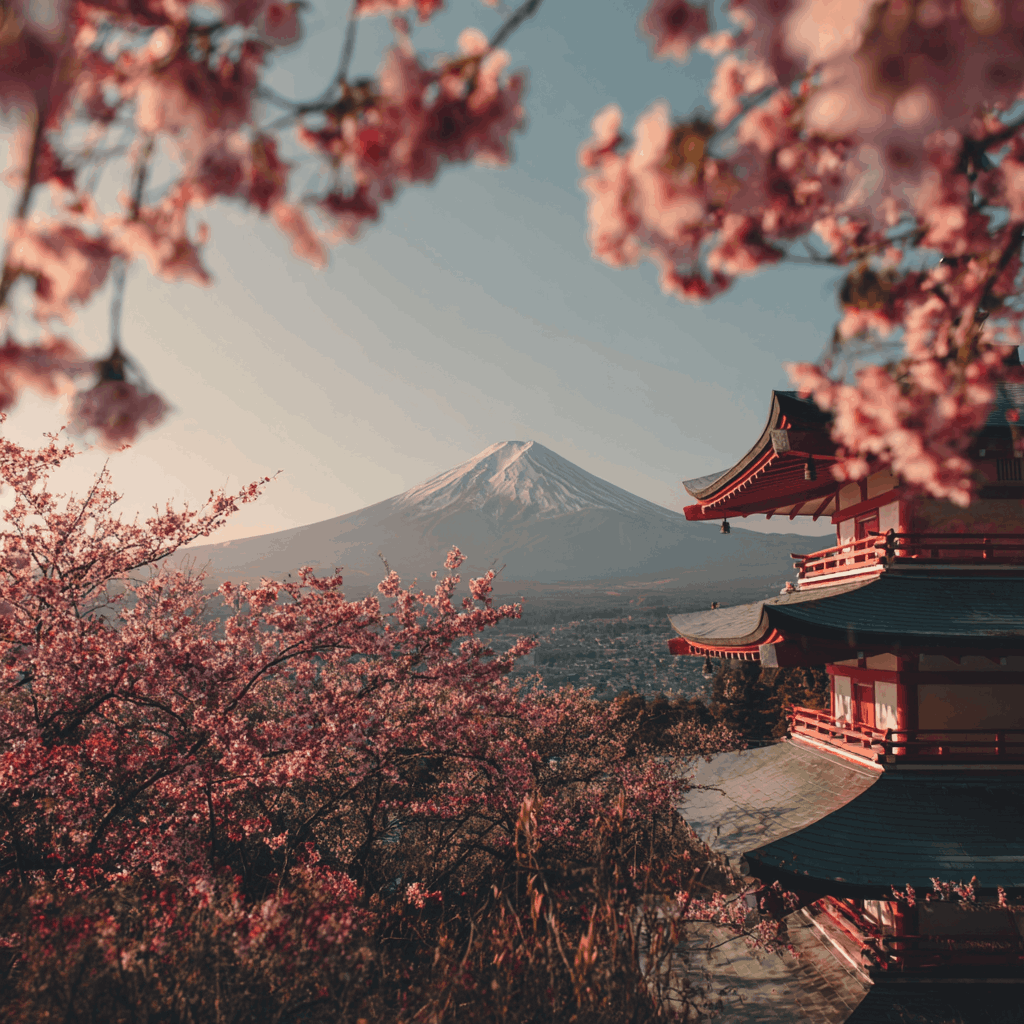
Hey, if you're dreaming about Japan, this quick guide breaks it down super simple. It's all about that mix of old-school temples and crazy modern tech vibes. No fluff, just the essentials to get you going.
Discover: What's Unique About Japan
Japan hits you with this wild contrast everywhere. One minute you're chilling in peaceful ancient temples with gardens that look straight out of a painting, next you're in buzzing cities full of neon lights and robots serving coffee. The cherry blossoms in spring are insane, they turn whole parks pink and people picnic under them like it's a national holiday.
Don't miss the food scene either, from fresh sushi markets to street stalls with takoyaki balls or ramen bowls that warm you up on chilly days. Nature's huge too: think snowy mountains for skiing, hot springs to soak in after a long day, and beaches down south if you want tropical feels.
What makes it stand out? The people are super polite, everything runs on time, and there's this respect for tradition mixed with cutting-edge stuff like high-speed trains and gadget shops that feel futuristic. It's clean, safe, and even the vending machines sell hot meals. Seriously, you'll feel like you're in two worlds at once.
Plan: A Basic Cross-Country Route for First-Timers
Okay, let's keep it real, most people start with a 7-10 day trip hitting the highlights. But here's a solid 3-step-ish plan to cover the basics without rushing too much.
Day 1-3: Kick off in Tokyo. Spend time wandering busy districts like Shibuya for that crossing madness, then head to older spots in Asakusa with its big temple. Throw in a day trip to nearby mountains if you can, for some hiking or views.
Then hop over to Kyoto, that's like 2-3 hours by fast train. Days 4-6 here: Focus on temples and shrines, bamboo forests, maybe a tea ceremony if you're into that. Walk around geisha areas in the evening, lights make it magical.
Finish up with a couple days back toward Tokyo or detour to Osaka for food heaven and castle vibes. If you've got extra time, squeeze in Hiroshima for the peace park, it's heavy but important.
Pro tip: Go in spring for blossoms or fall for red leaves, avoids the summer heat. Winter's quiet and pretty with snow on temples. Just plan around crowds if possible.
Move: How to Get Around and Where to Stay
Getting around Japan is easy once you figure it out. The bullet trains are legendary, fast and comfy, get a rail pass if you're doing multiple trips, saves a ton. In cities, subways and local trains are everywhere, cheap and punctual. Buses work for shorter stuff, or rent bikes in flatter areas.
For longer stays, night buses are budget-friendly but kinda tiring. Taxis are clean but pricey, better for late nights.
Where to sleep: Mix it up. In big cities, go for business hotels, they're no-frills, clean, with tiny rooms but great locations. Cheaper option? Capsule hotels, fun experience, super compact pods with privacy.
In Kyoto or smaller spots, try traditional inns with futons and shared baths, feels authentic. Hostels are popping up too, good for meeting people and saving cash. Book central areas to cut down on travel time, like near main stations.
Quick tips: Carry cash for small places, though cards are more accepted now. Download a translation app, helps a lot. And respect the rules, like no eating while walking or quiet on trains. You'll blend right in.
There you go, Japan in three simple steps. Discover the contrasts, plan a classic route, and move smooth with trains and smart stays. Your world in three simple steps, right? Safe travels!