Australia in 3 Steps: Wildlife and Wonders
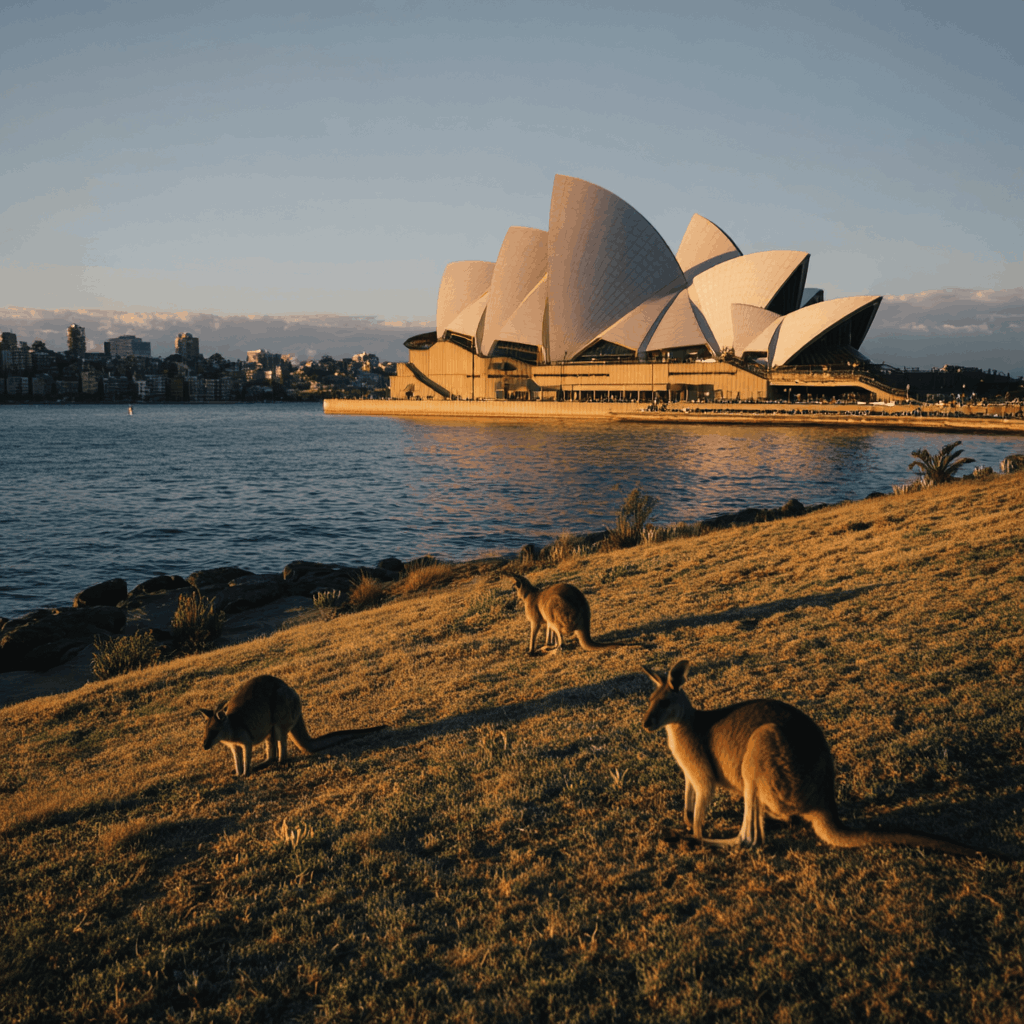
Man, Australia is massive and wild, with beaches that go forever, weird animals you won't see anywhere else, and landscapes that switch from desert red to rainforest green. This quick guide cuts through the huge size, focusing on the good stuff for a first trip.
Discover: The Ecosystems and Iconic Spots
Australia's got this insane variety packed in one country. Down on the coast, you've got golden sands and waves perfect for surfing, up north tropical reefs full of colorful fish, and in the center that big red rock glowing at sunset.
Wildlife is the star, kangaroos hopping around parks, koalas snoozing in trees, platypus in rivers if you're lucky. Birds everywhere, bright parrots or emus strutting like they own the place. Then the Great Barrier Reef, snorkeling there feels like another planet with turtles and sharks gliding by.
Outback has ancient rock formations, canyons deeper than you think. Cities mix in modern vibes with harbors and bridges, but the real unique bit is how empty and rugged it feels outside them. Nature rules here, super biodiverse, but watch for the heat or critters that bite. It's adventurous, laid-back, with that beach culture and barbecues everywhere.
Plan: Basic Coastal Road Trip Outline
Since Australia's huge, stick to the east coast for a manageable trip, say 10-14 days driving from Sydney to Cairns or part of it. Here's a simple breakdown to hit wonders without killing yourself on the road.
Start in Sydney, days 1-3: Check the opera house sails and bridge, harbor cruise maybe, then Bondi beach for swims and walks. Day trip to Blue Mountains for hikes and waterfalls nearby.
Head north, days 4-7: Drive or fly to Brisbane area, but better rent a campervan for freedom. Stop at Gold Coast for theme parks or surf, then Byron Bay, chill hippie town with lighthouse views and dolphin spotting.
Keep going to Noosa or Fraser Island for sand dunes and lakes, drive on the beach if you got 4WD. Days 8-12: Up to Airlie Beach, gateway to Whitsundays, white sands and sailing.
Finish in Cairns, reef trips and rainforest cables. If short on time, fly between big spots and just drive sections. Best time: Our winter, June to August, cooler and dry up north. Summer's rainy in tropics, but great down south.
Take it slow, distances trick you, add rest days for wildlife parks or detours.
Move: Eco-Friendly Options and Budget Stays
Getting around eco-smart: Fly into main cities, then trains or buses for shorter bits, Greyhound hops along coast cheap. But for road trip feels, rent fuel-efficient cars or campers, share rides to cut emissions.
Public transport in cities is solid, trams in Melbourne, ferries in Sydney fun and green. Bikes or electric scooters popping up too. Avoid domestic flights if you can, trains scenic alternative.
For stays on budget: Hostels in cities, dorms or privates, often with kitchens to save on food. Campgrounds everywhere along coast, national parks have sites cheap, bring tent or van.
Motels or holiday parks for comfort, pools and barbecues. In key spots like Sydney stay central but suburbs cheaper by train. Cairns hostels near lagoon, Byron eco-lodges if you splurge a bit.
Tips: Book parks permits ahead, fuel up often in remote areas. Drink water heaps, sun's brutal. Use reef-safe sunscreen, respect wildlife no feeding. Apps for camp spots help last minute.
There it is, Australia simple: Discover the wild side and landmarks, plan that coast drive, move green with budget spots in prime areas. Your world in three simple steps, mate, go explore!